The Best Inshore Fishing Rod for Every Species

Redfish, trout, flounder, snook, sheepshead and tarpon can live in the same bay and still call for very different rods. A rod that's perfect for a soft trout bite can't turn a snook off a dock piling, and a tarpon rod will cost you every sheepshead on the jetty.

Our species guides break down the rod length, power, action, line and leader each fish calls for, plus the FishStix rod we'd hand you for the job. Pick your target below.

Redfish and Speckled Trout

The two most popular inshore fish share the same water but want different things from a rod. Redfish need backbone to turn a hard run away from grass and oyster. Trout need a sensitive tip that won't tear through a soft mouth. The guide covers a dedicated setup for each and the one-rod compromise that handles both.

Quick pick: 7'0" to 7'2", medium-light to medium power, fast action.

Flounder

Flounder pin a bait and wait, so the rod needs a forgiving tip that lets the fish commit and enough backbone to drive a hook through a toothy jaw. The guide covers Carolina and jighead rigs, live bait versus Gulp, shore tactics, and which FishStix rod fits how you fish.

Quick pick: 7', medium power, moderate-fast action, like the Kitchen Sink.

Snook

A hooked snook heads straight for mangroves, docks and bridge pilings. You need a fast tip to work baits and medium-heavy backbone to steer the fish out of structure before the leader touches it. The guide covers rod specs, leader setup and the best baits for linesiders.

Quick pick: 7'0" to 7'6", medium-heavy power, fast action, like the Rod Father.

Sheepshead

Sheepshead steal bait off jetty rocks and pilings before most anglers feel a thing. A fast, sensitive tip is what lets you set the hook in time. The guide covers knocker and dropper rigs, fiddler crabs and shrimp, and the best FishStix rods for jetties and docks.

Quick pick: 6'9" to 7'6", medium to medium-heavy power, fast action, like the President.

Tarpon

Tarpon jump, run and wear through light leader, and adults can top 100 pounds. The guide covers the fly and conventional setups for both juvenile and migratory tarpon, from the FlyStix 11wt for adults to medium-heavy spin and baitcast rods for baby tarpon in creeks and canals.

Quick pick: 9ft 11wt fly rod for adults. 7' medium-heavy, fast action for juveniles, like the Drum Stix.

One Rod for Several Species

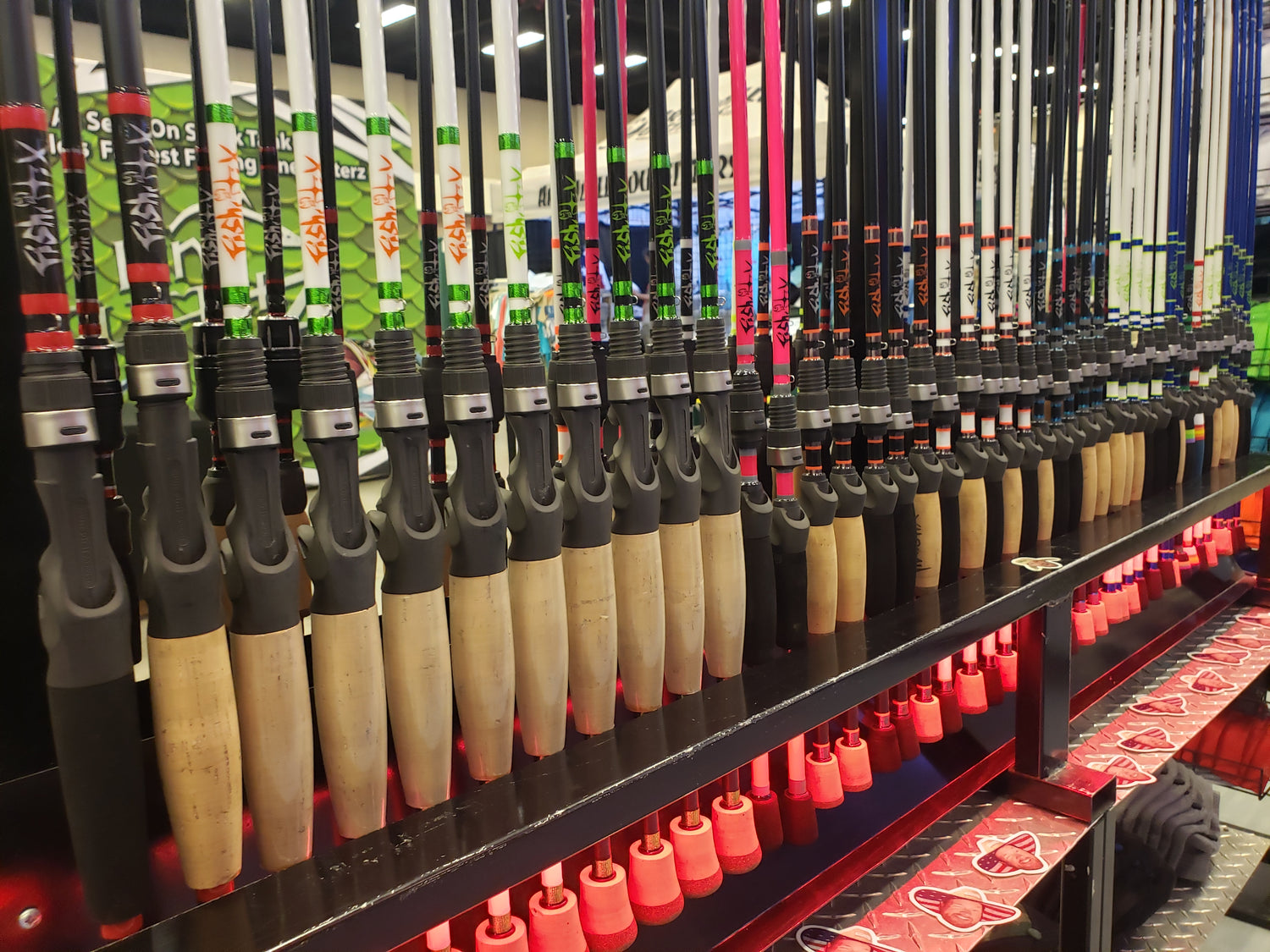
If you fish a little of everything, a 7-foot, medium-power rod with a moderate-fast or fast action covers redfish, trout, flounder and most snook on open water. Step up to medium-heavy when you fish heavy structure or bigger fish, and add a fly rod when the fish are tailing in skinny water. Every rod in the lineup is one of our custom saltwater fishing rods, built for inshore water from the blank up and finished with titanium guides on the Titanium Series.

More Inshore Gear Guides

New to inshore fishing? Start with our guide on how to choose the right inshore fishing rod. Fishing with a fly? Our fly rod weight guide explains when to fish an 8wt and when to step up to an 11wt. Want rod picks for your coast? Browse inshore fishing rods by region.

Frequently Asked Questions

What is the best inshore fishing rod for most species?

The best inshore fishing rod for most species is a 7-foot, medium-power rod with a moderate-fast to fast action, rated for roughly 3/8 to 1 oz lures and 10 to 20 lb line. It handles redfish, speckled trout and flounder well and covers snook on open beaches and flats.

Do I need a different rod for each inshore species?

No. One versatile rod covers most inshore days. Dedicated rods pay off at the extremes: a lighter, faster tip for finicky trout and sheepshead, a medium-heavy rod for snook around structure, and an 11wt fly rod or heavier tackle for tarpon.