
Inshore Spinning Fishing Rods
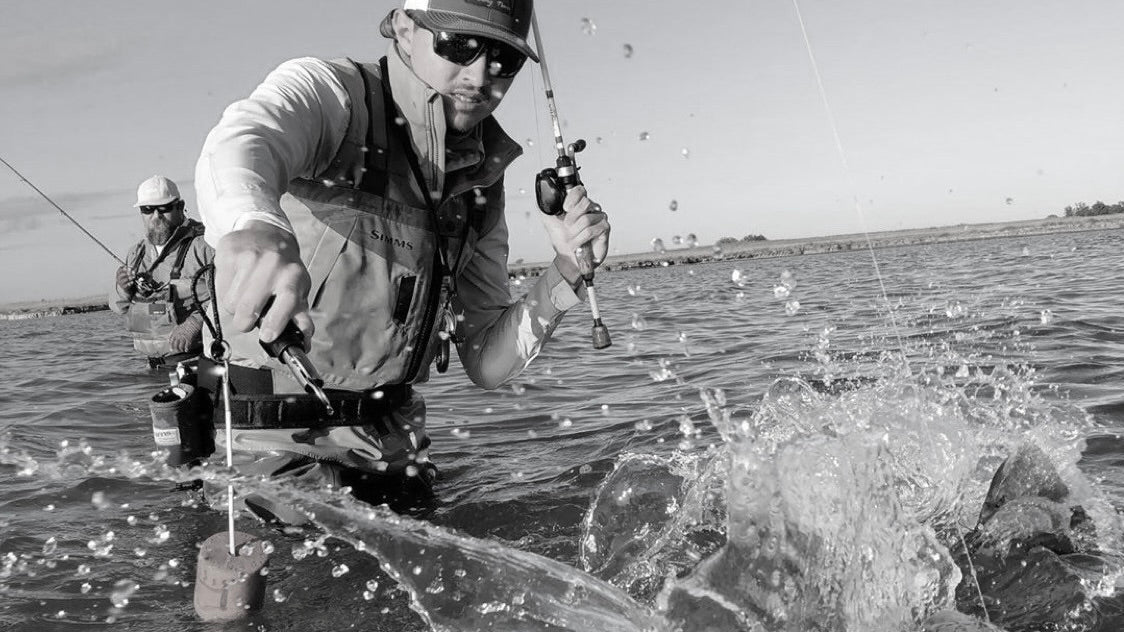
FishStix spinning rods are built for anglers who fish the coast hard—wading the flats, working marsh drains, and throwing baits into the wind when conditions get sporty. Founded by East Texas angler Hunter Welch, FishStix was created with one goal in mind: build rods that feel right in your hand, cast clean, and stay sensitive enough to detect the lightest tap when the bite turns subtle.
3 products
Filter
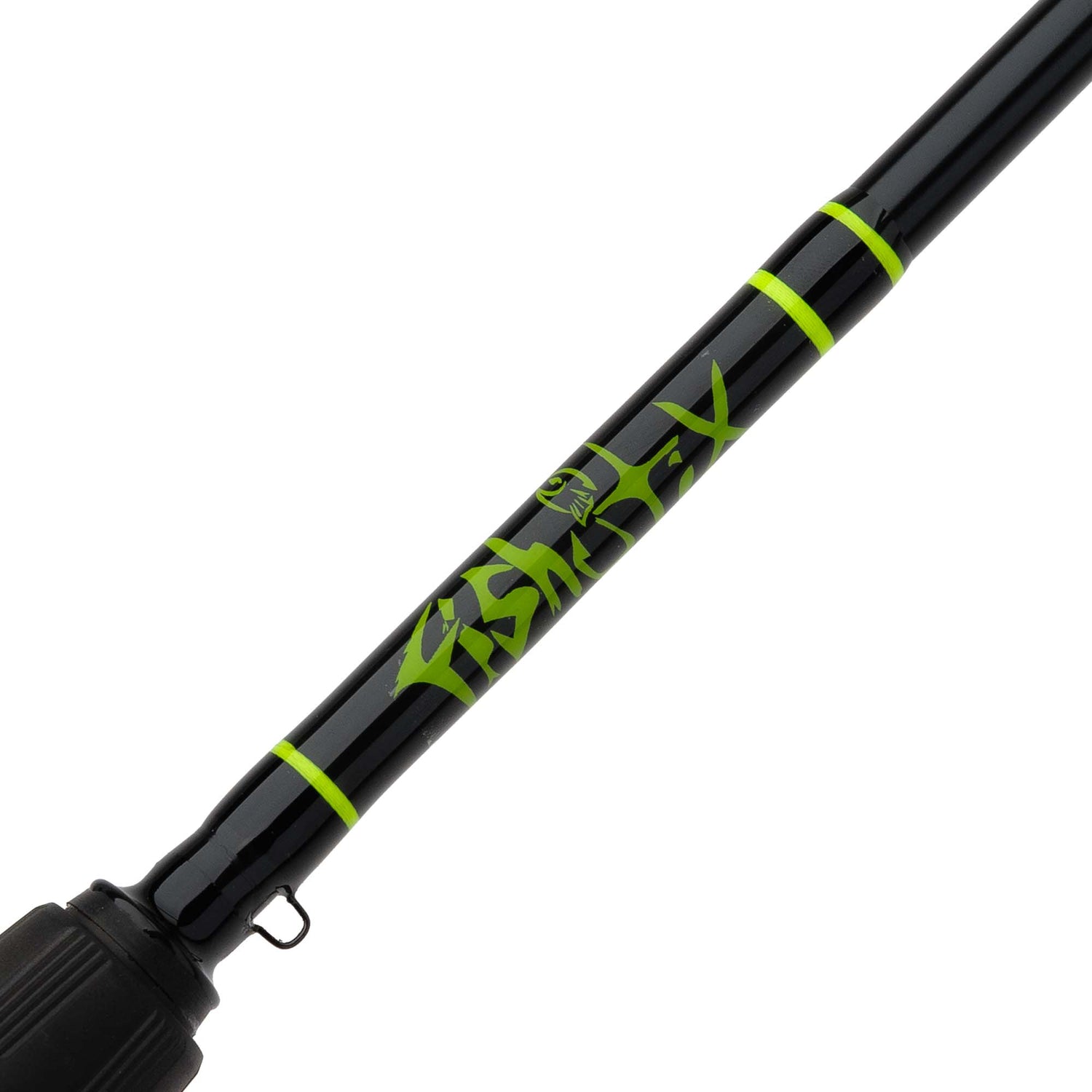
Titanium Series Kitchen Sink / Spinning
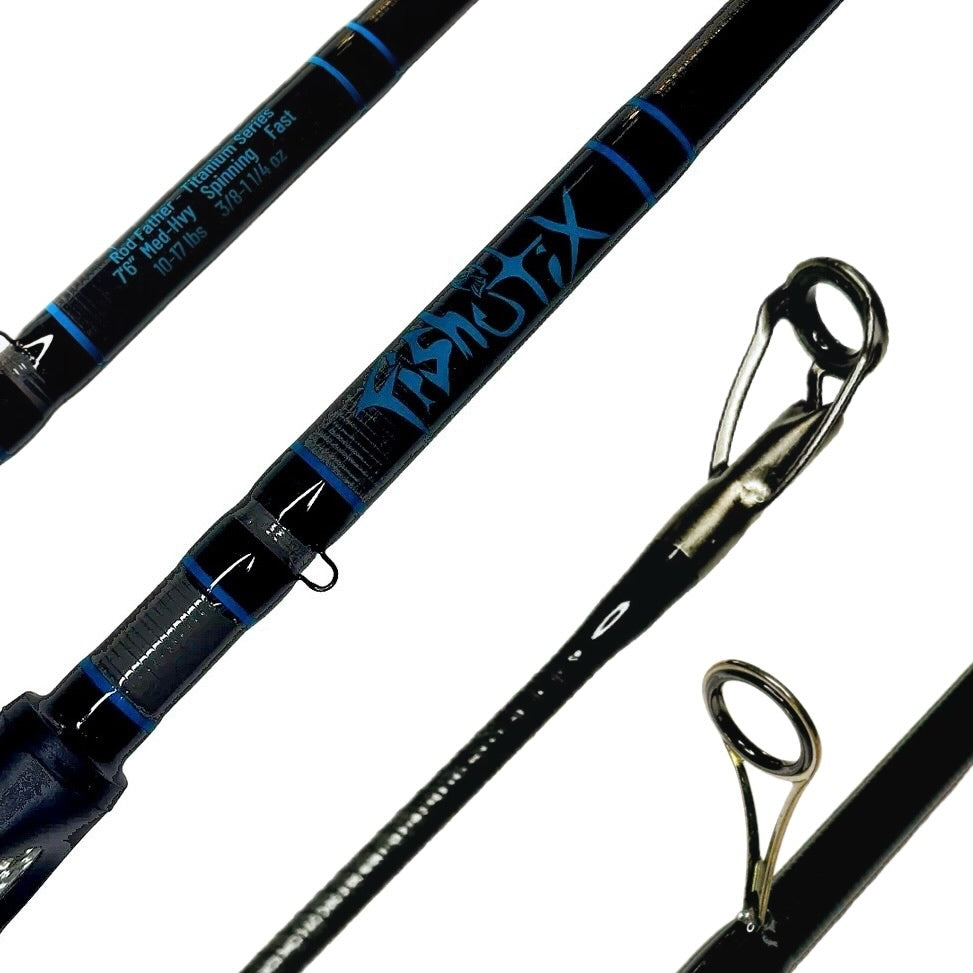
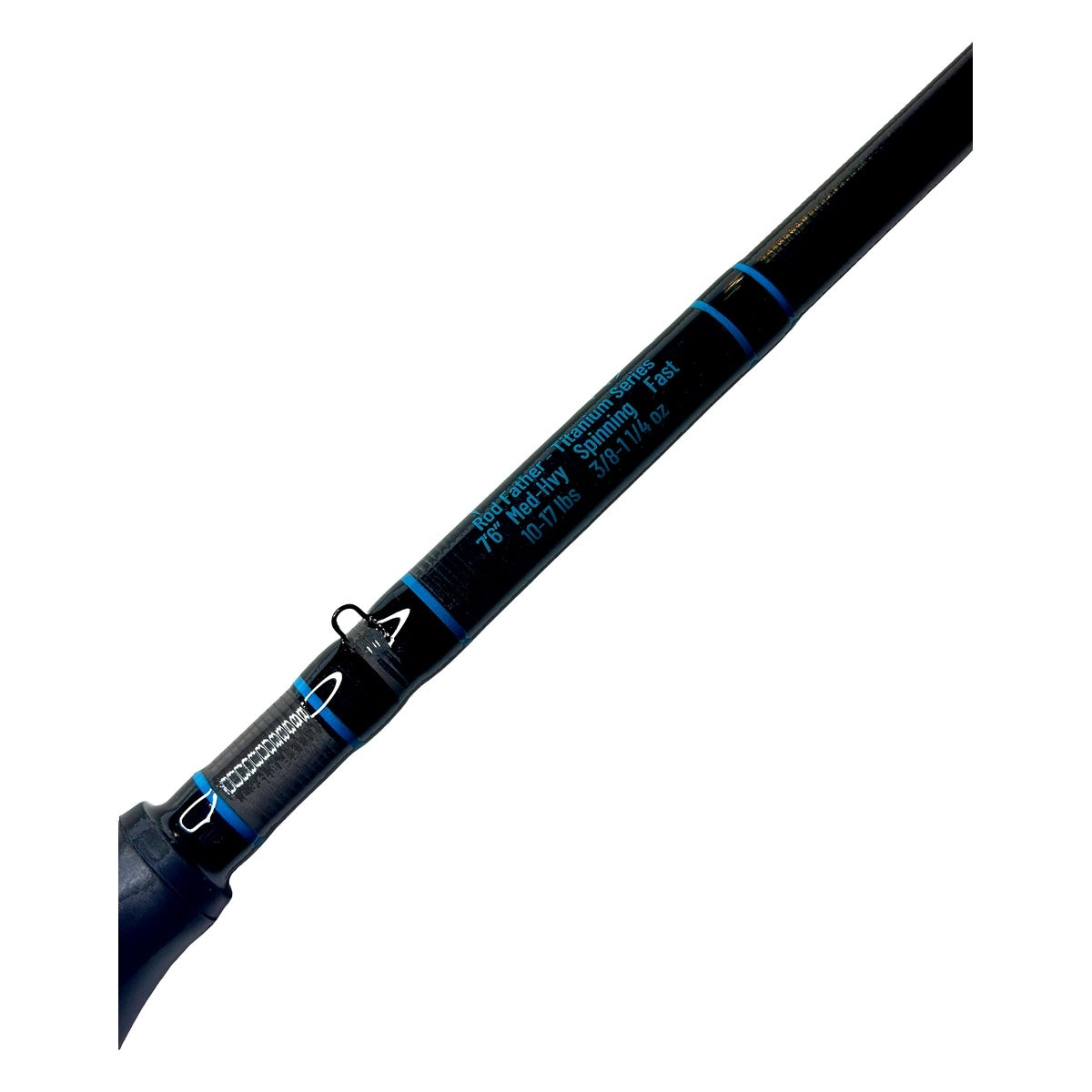
Titanium Series The Rod Father / Spinning
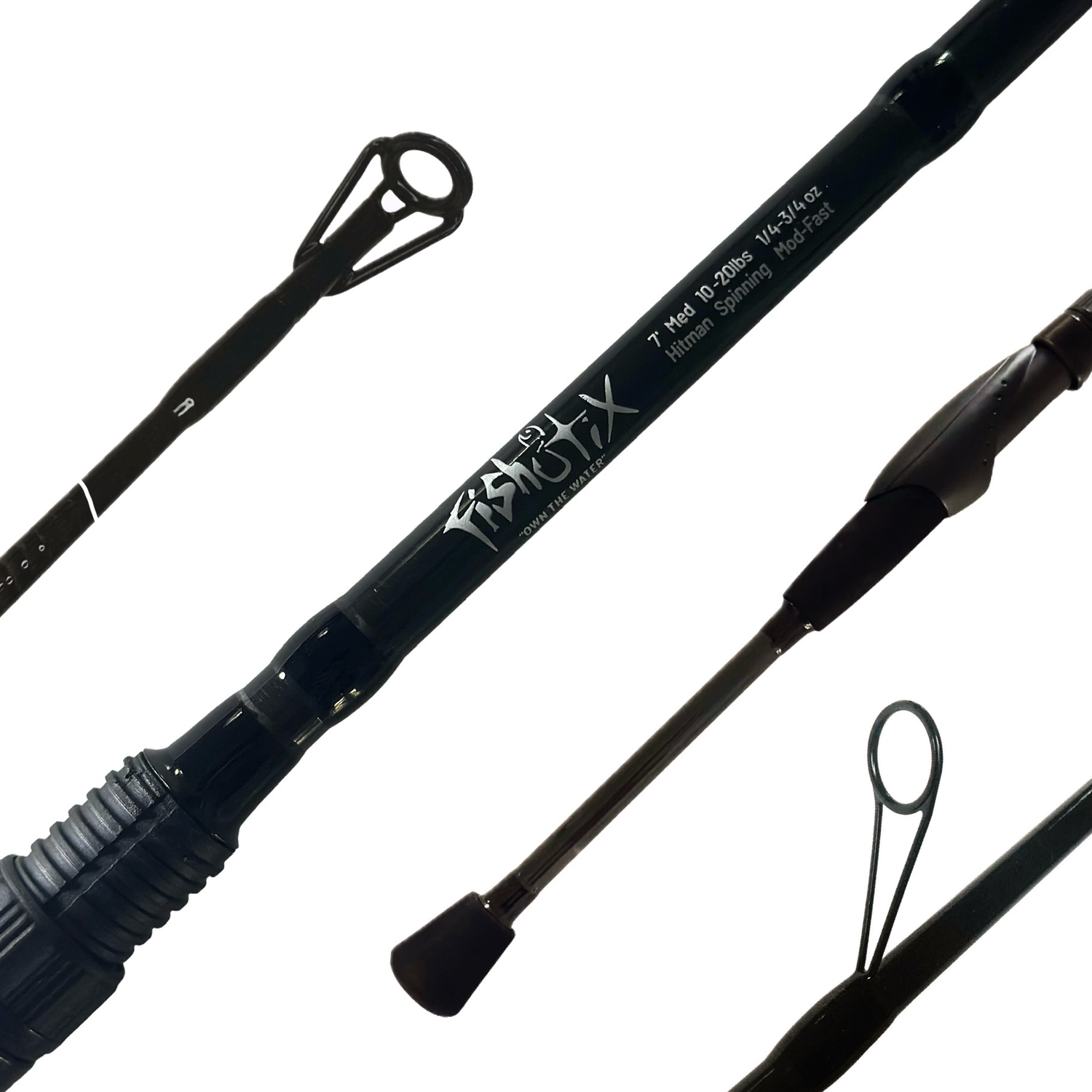
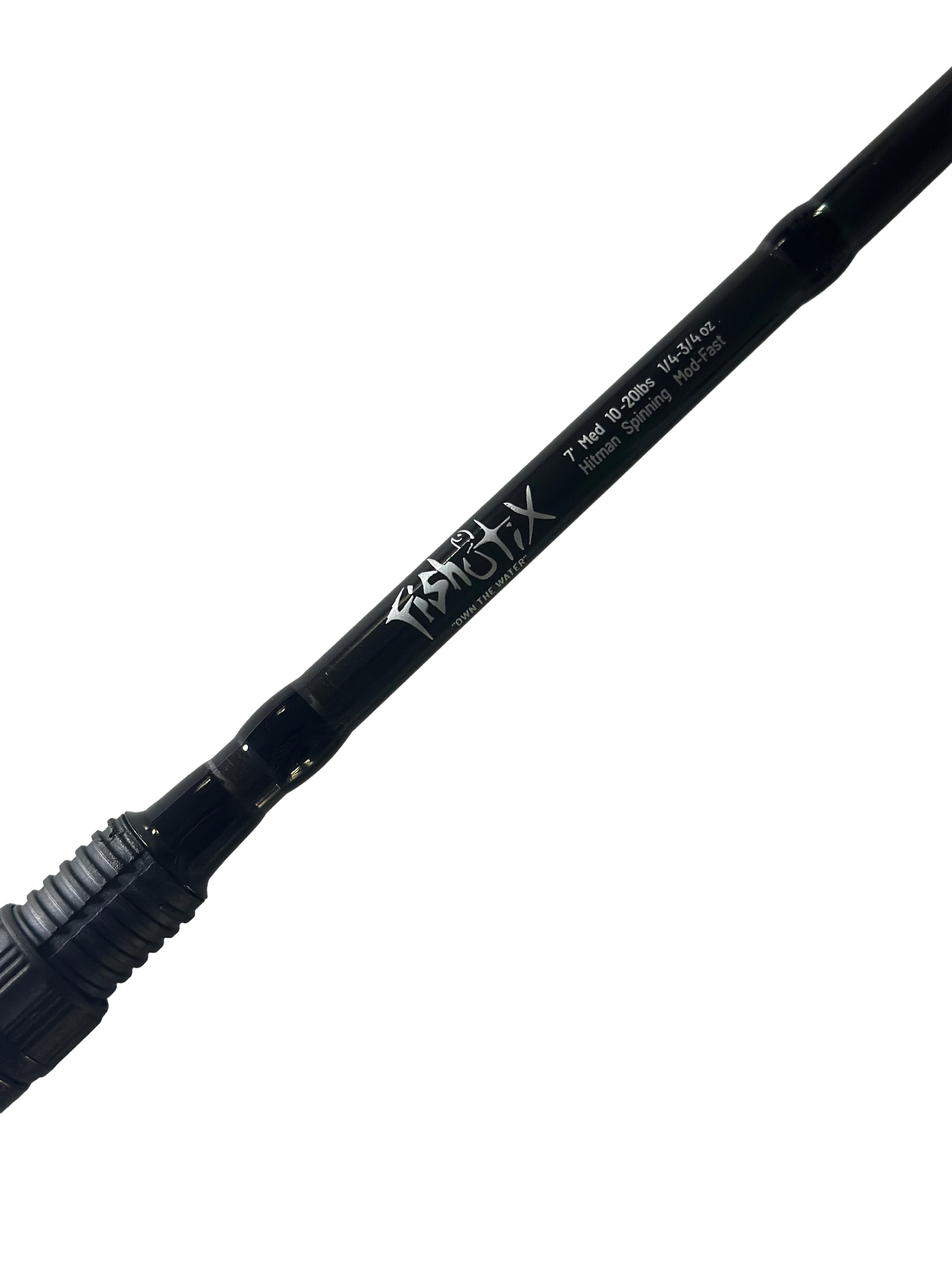
Which FishStix spinning rod is right for you?
- Coastal Pursuit (Spinning) — The versatile “all-around” choice for most inshore days. Great when you want one rod that can throw a wide variety of coastal baits.
- Meat Stix (Spinning) — Built for anglers who want extra casting distance and leverage during the fight. A strong pick for bigger water, longer casts, and covering ground.
- Rod W/No Name (Spinning) — The finesse option for lighter baits. Perfect when you’re throwing lighter soft plastics and small topwaters and want a fast, responsive tip.
Why anglers choose FishStix
- Built for real inshore fishing — flats, marsh, and shallow saltwater applications.
- Lightweight + sensitive feel — designed to help you detect bites and stay comfortable fishing longer.
- Confidence across conditions — spinning rods shine when you need easy casting into/with wind and across a wide lure range.
Need help picking a setup?
Check the Buyer’s Guide for quick recommendations based on where you fish and what you throw.
Spinning Rod FAQ's
What's the best "do-everything" spinning rod for inshore fishing?
For most inshore anglers, redfish, speckled trout, flounder, and general wade fishing on the flats and in the marsh, a medium-light to medium action spinning rod in the 7'–7'6" range covers the widest range of situations. You want enough backbone to load on a cast and work soft plastics with authority, but a sensitive enough tip to detect subtle bites when the bite turns finicky. The Coastal Pursuit (Spinning) is built for exactly this use case. If you're fishing a variety of conditions and don't want to swap rods throughout the day, start here.
Which spinning rod is best for longer casts?
Longer casts on the coast come down to two things: rod length and blank action. A longer rod loads more energy on the forward cast and releases it over a wider arc, which translates directly to distance when you're covering big flats, fishing from a kayak, or working the outer edges of a marsh drain. The Meat Stix (Spinning) is built with this in mind, giving you extra length and leverage during the fight as well. If you regularly find yourself needing to reach water others can't, or if you're fighting bigger fish that want to run, this is the rod to reach for.
Which rod should I use for lightweight baits?
Light baits, small soft plastics, 1/16 oz jig heads, finesse rigs, and small topwaters require a rod with a fast, responsive tip that loads even under minimal weight. A heavy or even medium-heavy blank will overpower these presentations and kill your casting accuracy. The Rod W/No Name (Spinning) is the finesse option in the FishStix lineup, fast tip, lightweight feel, and the sensitivity to telegraph bites that come as nothing more than a slight pressure change. If your go-to presentations are on the lighter end and you fish clear or pressured water where subtlety matters, this is the right tool.
Spinning vs baitcast—what should I pick?
Spinning setups are generally more forgiving to cast, handle lighter line weights better, and perform well in crosswind and headwind conditions — which covers most wade fishing situations on the Texas and Louisiana coast. Baitcast setups offer more precision for heavier presentations, better line management when punching through grass or flipping into tight structure, and stronger hook sets on bigger fish. Most serious inshore anglers carry both. That said, if you're newer to saltwater fishing or want one setup that handles the widest variety of presentations without the learning curve of a baitcaster, spinning is the right starting point. If you're throwing heavier rigs or working specific structure, a baitcast setup earns its spot on the deck.
Do these work for freshwater too?
Yes, FishStix spinning rods perform well in freshwater applications, and many anglers run them across both environments depending on the technique. The rod actions and sensitivity that make them effective for inshore saltwater, detecting light bites, casting a range of lure weights, staying comfortable over a long day, translate directly to bass, walleye, and other freshwater species. The main practical difference is maintenance: after saltwater use, rinse the rod (guides especially) with fresh water to prevent corrosion buildup over time. For freshwater-only use, no special care beyond standard rod maintenance is needed.