Saltwater Fly Rods Built for the Inshore Fight

Fly Rods

Our Saltwater Fly Rods

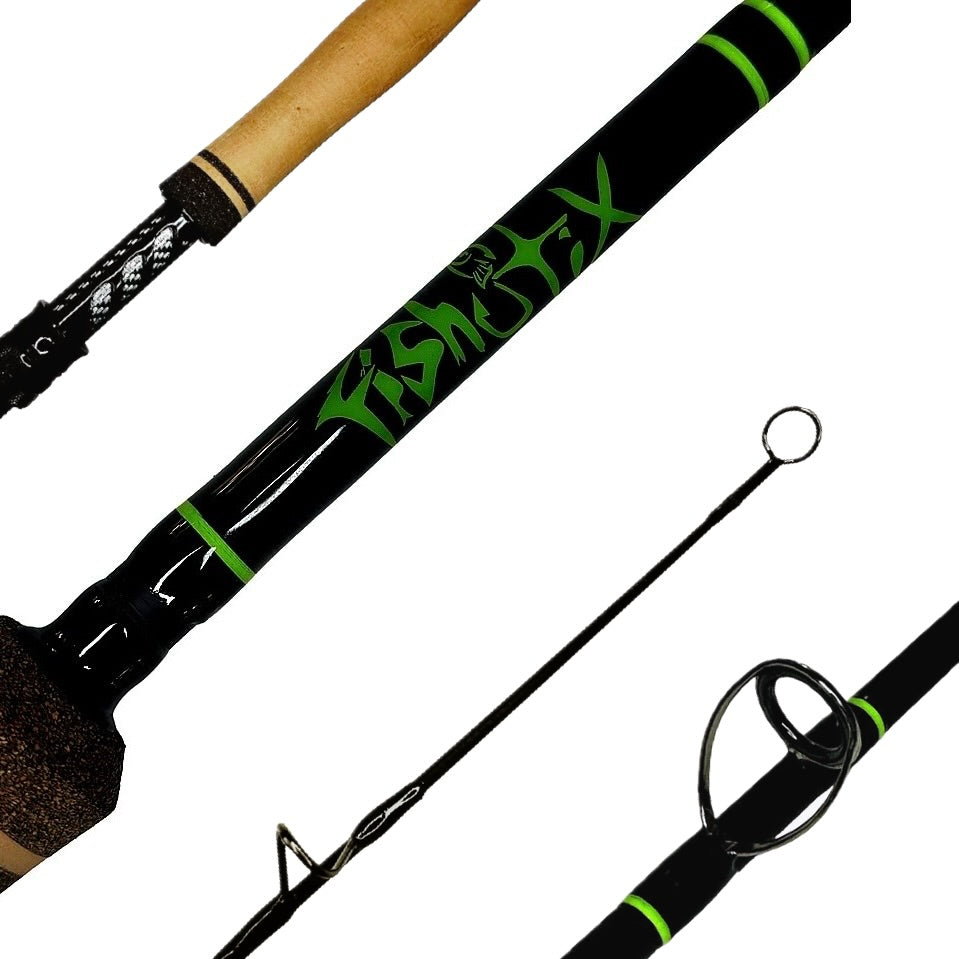
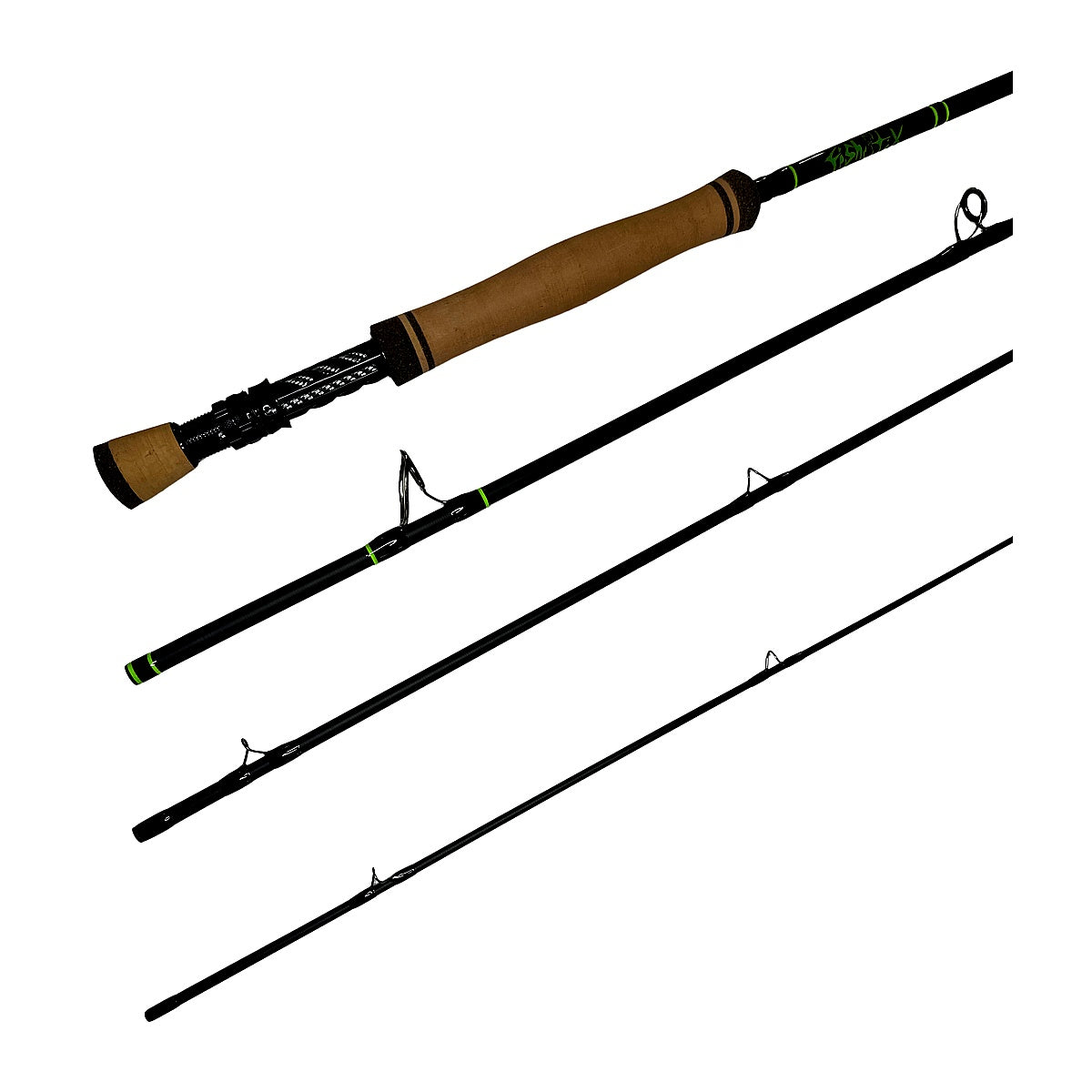
Saltwater breaks fly rods that were not built for it. Corroded guides, soft blanks that fold in the wind, actions adapted from trout water and sent somewhere they do not belong. FishStix saltwater fly rods start from the opposite direction: 9-foot, 4-piece blanks engineered for the salt from the first layup, with titanium guides and corrosion-proof components at every touch point.

2 products

Filter
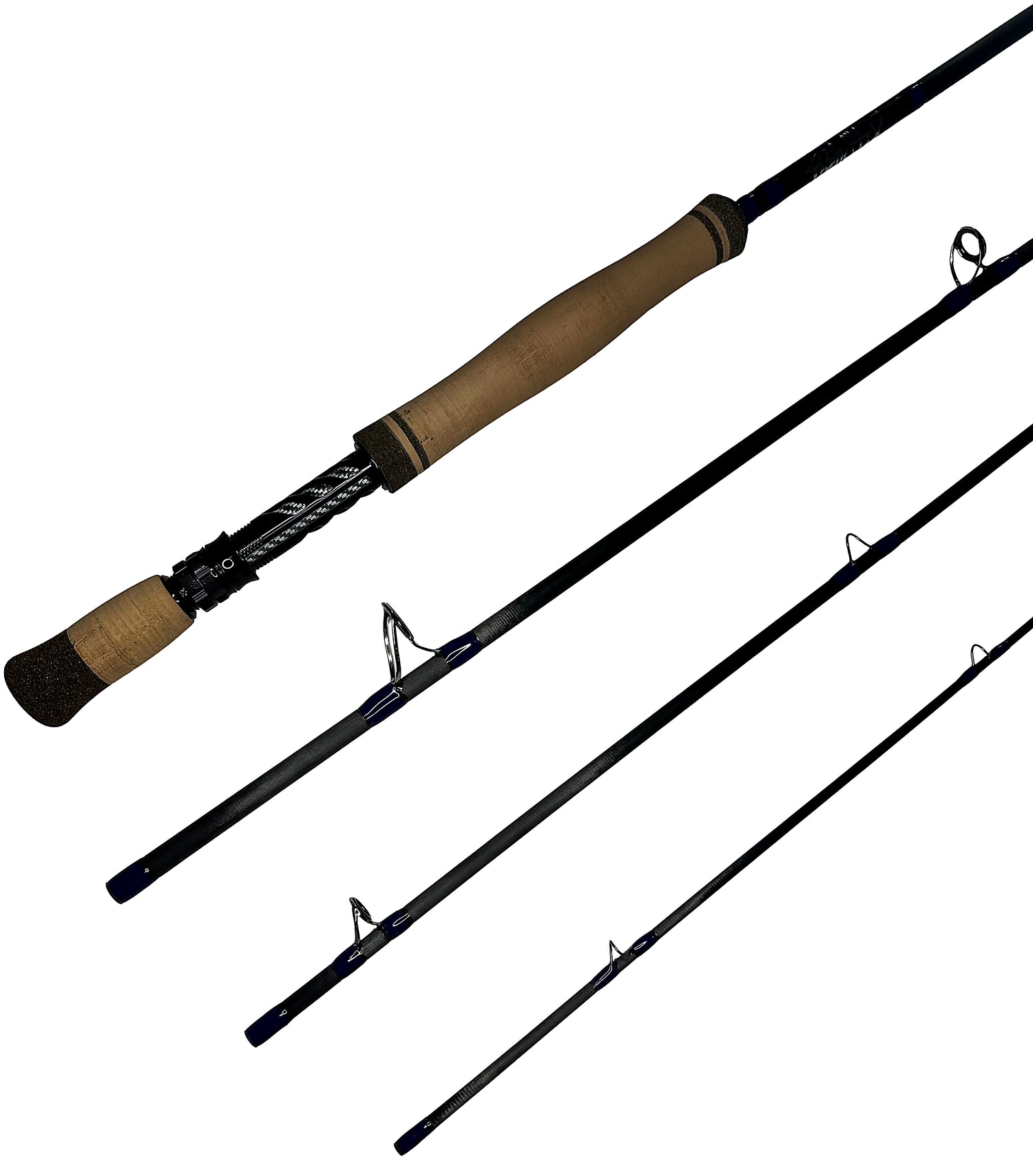
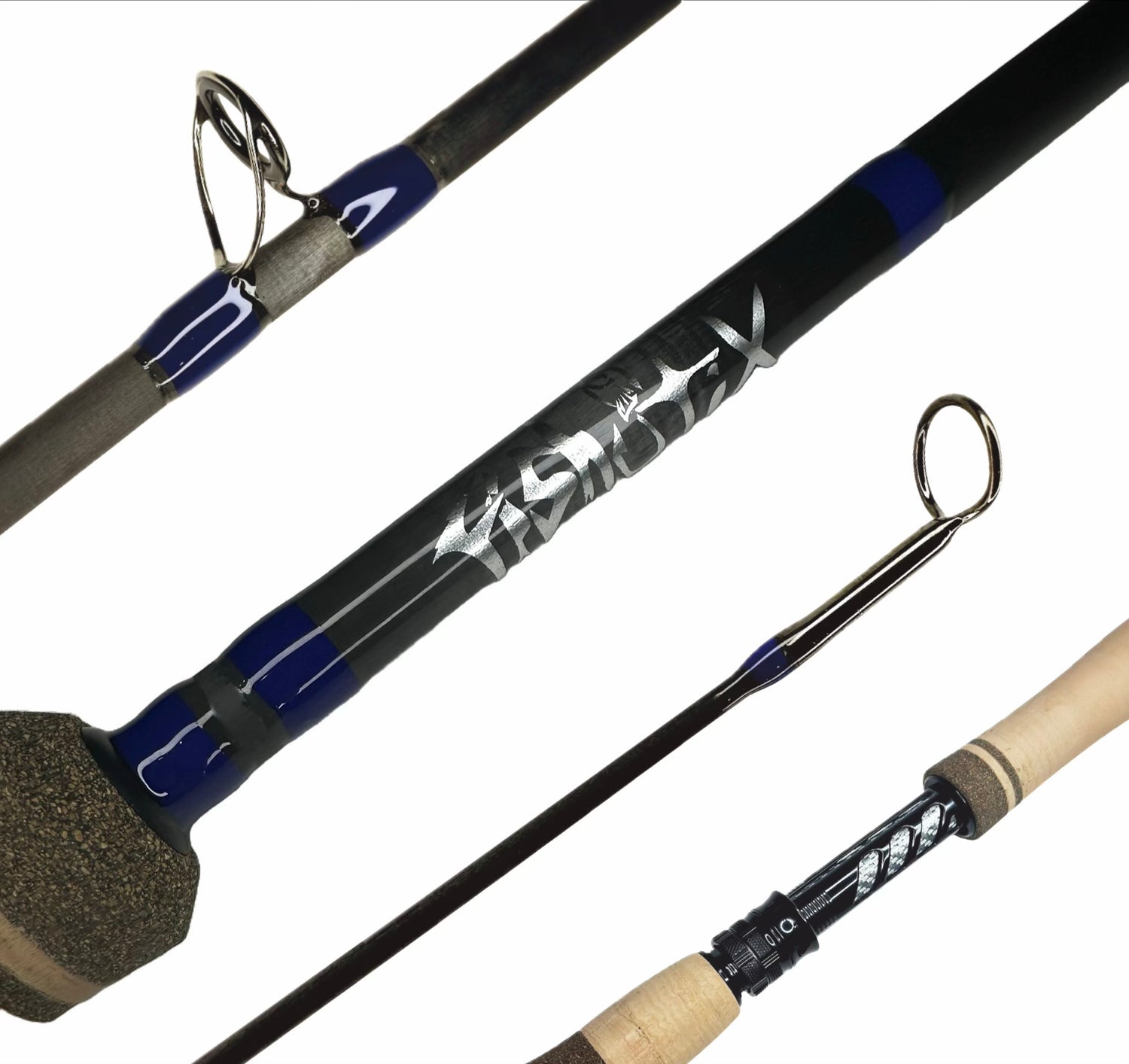
FlyStix 9ft 11wt Saltwater Fly Rod

Regular price $849.00 USD
Regular price Sale price $849.00 USD

Length: 9'0"
Weight: 11-Weight
Pieces: 4-Piece
Rod Type: Saltwater Fly
Guides: Titanium

FlyStix 9ft 8wt Saltwater Fly Rod

Regular price $849.00 USD
Regular price Sale price $849.00 USD

Length: 9'0"
Weight: 8-Weight
Pieces: 4-Piece
Rod Type: Saltwater Fly
Guides: Titanium

Choosing a saltwater fly rod weight comes down to your target.

The rule of thumb: match the rod to the fly you need to cast and the fish you need to turn. An 8 weight covers the everyday inshore slam of redfish, speckled trout, and snook, plus bonefish, stripers, and salmon when you travel. An 11 weight is the big-game rod for tarpon, bull redfish, and jack crevalle, where the flies get big and the fights get serious.

What separates a purpose-built salt blank from an adapted freshwater rod?

Wind performance, corrosion resistance, and lifting power. A saltwater blank is designed to generate high line speed with heavy flies in coastal wind, and to apply pressure low and hard during a fight instead of protecting light tippet. The hardware has to survive salt spray for years, not seasons. Titanium guides and sealed, corrosion-proof components are the difference between a rod that lasts and a rod that pits and fails.

Target species

Redfish, speckled trout, snook, bonefish, stripers

Tarpon, bull redfish, jack crevalle, trophy snook

Typical flies

#4 to 1/0

1/0 to 4/0

Your water

Flats, grass lines, mangroves, beaches

Passes, bait schools, migratory tarpon water

Need help choosing?

Check the Buyer’s Guide for quick recommendations based on where you fish and what you throw.

Why a 4-Piece Travel Fly Rod Makes Sense in the Salt

Most saltwater fly fishing happens somewhere you have to drive or fly to. A 4-piece travel fly rod breaks down to under 30 inches and fits in an overhead bin. On the skiff, it rides in a tube behind the console where nobody steps on it. Both FlyStix saltwater fly rods are designed as 4-piece blanks from the first layup, not cut down from a one-piece design after the fact. You get a rod that packs small and still punches a crab fly into a stiff coastal headwind.

Fly Fishing for Redfish With an 8 Weight

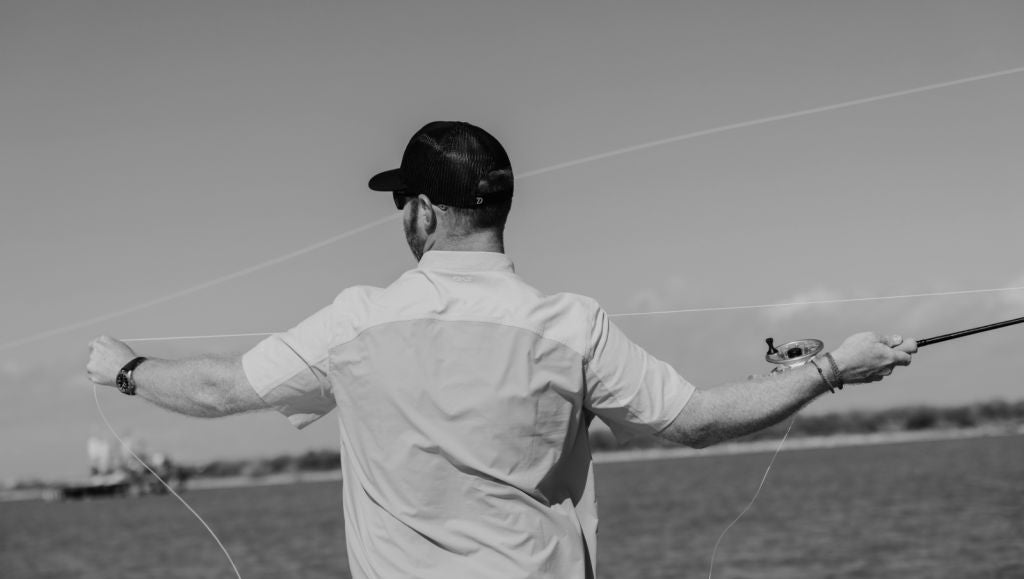
Sight-casting to tailing reds in a foot of water is where most Gulf Coast anglers fall for the fly rod, and it is where the 9ft 8wt saltwater fly rod earns its keep. You need enough line speed to make one accurate shot at 40 to 60 feet before the fish turns, and enough butt strength to pull a slot red out of the grass. A 9-foot leader tapered to 16 or 20 lb fluorocarbon handles most marsh and flats work. If you also throw conventional gear on the same trips, our redfish and speckled trout rod setup guide covers the spinning and baitcast side.

Tarpon Fly Rod Tips for the 11 Weight

Tarpon punishes mistakes. Most of them happen in the first few seconds. Bow to the fish on every jump so it cannot land on a tight line. Once it settles, fight it low and to the side, changing angles to keep it off balance. The 11 weight saltwater fly rod has the lifting power to shorten that fight, which matters more than most people think. A tired tarpon released quickly has a much better shot at surviving, so keep it in the water and follow sustainable catch and release practices.

Matching a Saltwater Fly Reel and Line to Your Rod

Start with a line rated for the rod: 8 weight line on the 8 weight, 11 on the 11. A weight-forward floating line covers most inshore fishing. Tarpon in channels and deeper passes often call for an intermediate or sinking tip. Buy a tropical coating if you fish Florida, Texas, or anywhere the deck gets hot, because standard lines go limp in the heat. On the reel side, look for a sealed drag and room for at least 200 yards of 20 lb backing on the 8 weight, and 250 to 300 yards of 30 lb on the 11. Not sure which rod to build around? Our 8wt vs 11wt fly rod guide walks through it.

Saltwater Fly Rod Care After Every Trip

Titanium guides will not rust, but salt crystals still grind away at ferrules and reel seats. Neglect adds up fast. Rinse the rod and reel with fresh water after every trip, even the ones where it "barely got wet." Break the rod down, wipe the ferrules clean, and let everything dry fully before it goes back in the rod sock or tube. Our fishing rod care guide has the full routine.

Saltwater Fly Rod FAQs

What weight fly rod for saltwater?

An 8wt is the standard starting point and covers most inshore species. Go to 10wt-12wt for tarpon and other big game. Below 8wt, wind and fly size start to beat you.

What is the best all-around saltwater fly rod?

A 9-foot 8 weight. It is the one rod that handles the widest range of saltwater species and conditions, which is why it is the best-selling saltwater weight in fly fishing.

Do I need a different fly rod for saltwater?

Yes. Freshwater rods corrode in salt and rarely have the backbone for wind and strong fish. A purpose-built saltwater fly rod has corrosion-proof hardware and a blank designed for heavy flies and hard fights.