
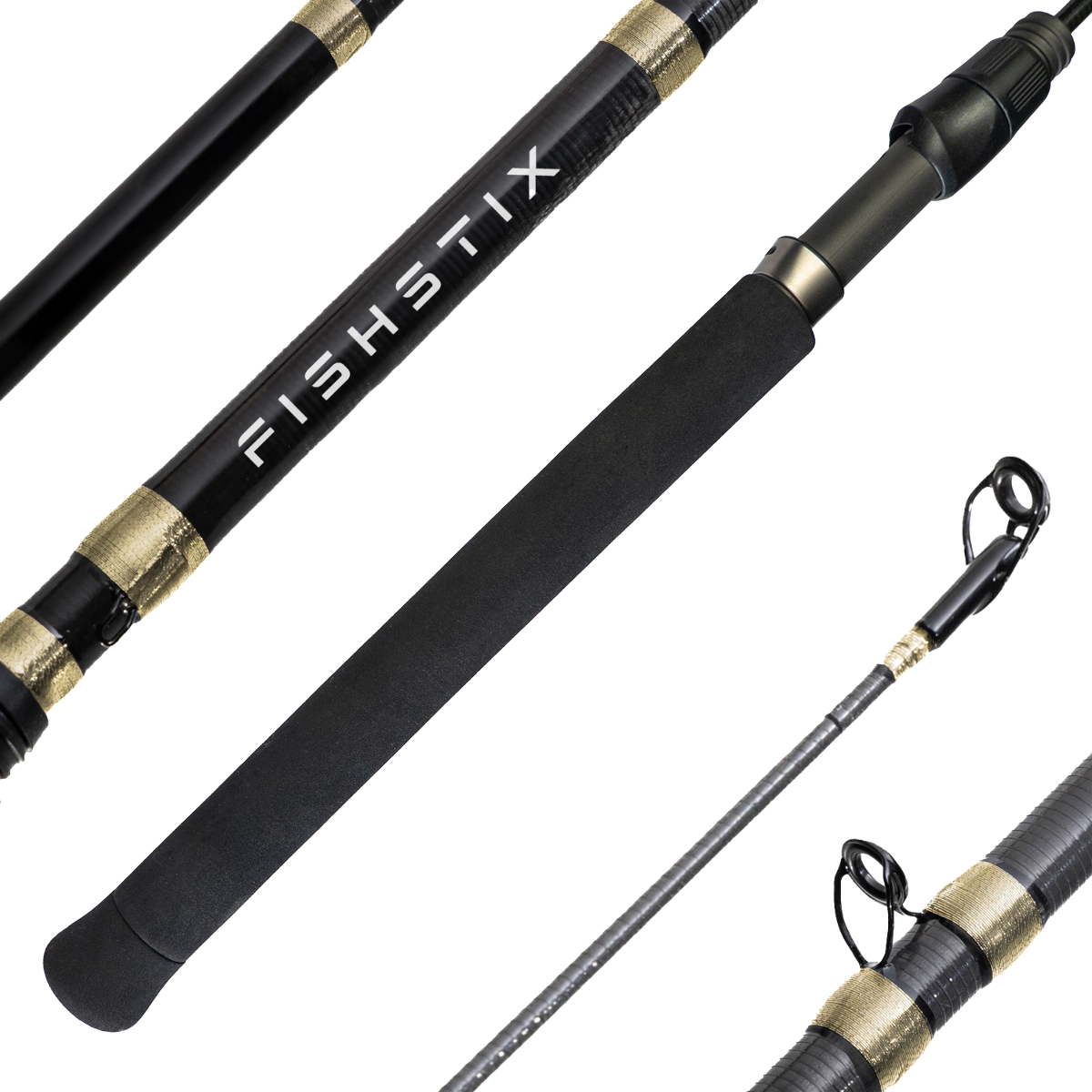
There's an old saying among anglers: take care of your rod, and your rod will take care of your fish. It sounds simple, but anyone who's pulled a stuck guide off a saltwater rod after a long weekend knows the truth in it. A custom saltwater fishing rod is built to outperform — and outlast — a production rod. But that promise only holds if you treat it like the piece of craftsmanship it is.
Whether your rod just arrived or it's been your go-to for five seasons, the way you handle it between trips matters more than what you do on the water. Here's how to keep a custom-built rod performing the way it did the day you opened the tube.
Why Custom Rods Need a Different Kind of Care
Production rods are built to a price point. Custom rods are built to a person — your grip size, your fishing style, the species you target, the boats you fish from. Every wrap, guide, and reel seat is chosen on purpose, which means every component is also worth protecting.
The good news: custom rods are usually built with higher-grade components than what you'll find on the rack at a big-box store. The flip side: those components reward attention. Skip the rinse-down for a season, and the same guides that should last a decade can start corroding inside the wraps where you can't see it.
Pro Tip: After every saltwater trip — even a short one — rinse your rod with fresh water and dry it with a soft cloth before it goes back in the tube. Salt left on a guide foot will work its way under the thread wrap, and once it's there, it's almost impossible to get out.
The Three Habits That Extend Rod Life
Most rod damage doesn't happen on a fish. It happens in the truck, in the rod locker, or leaning against the side of the garage. Three habits cover about 90% of it.
1. Rinse, Dry, Store — In That Order
After every trip:
-
Rinse the entire rod with fresh water, paying attention to the guides, reel seat, and butt cap
-
Wipe it down with a microfiber or cotton cloth — never let it air-dry with salt or sand on it
-
Store it horizontally or vertically in a rack, never leaning at an angle against a wall
That last point catches a lot of anglers off guard. A rod leaned at an angle for weeks at a time can develop a permanent set in the blank, especially in heat.
2. Check the Guides Every Few Trips
Run a cotton ball or Q-tip through each guide insert. If it snags, you have a chip — and a chipped guide will shred the braided line in minutes. Catching it early means a quick guide replacement instead of losing a fish (or a section of expensive line) on the water.
3. Loosen Your Reel Before Storage
Back the drag off after every trip. A drag left tight for months will compress the washers and shorten the reel's life — and a worn drag can put unnecessary stress on the rod blank during a fight.
Did You Know? The vast majority of broken rod tips happen in vehicles and doorways, not on the water. A simple two-piece rod sock or a hard tube prevents almost all of it.
Transport: Where Most Custom Rods Actually Die
Ask any rod builder where the rods they repair come from, and the answer is almost always the same: car doors, tailgates, and ceiling fans. The blank doesn't fail under load — it fails under impact.
If you fish often, invest in:
-
A padded rod sock for each rod
-
A hard rod tube for travel, especially flights and long drives. A 4-piece custom fly rod breaks down into a short travel tube, which makes it the easiest rod in the quiver to protect on a trip.
-
A rod rack for your truck or boat that holds each rod separately so they don't clack against each other in transit
Cleaning the Cork, Grip, and Reel Seat
The cork handle on a custom rod is often premium-grade, and it shows wear faster than the blank. To clean it:
-
Mix a small amount of dish soap with warm water
-
Use a soft toothbrush to gently scrub the cork in circular motions
-
Wipe with a damp cloth, then let it air-dry completely
Avoid bleach, alcohol, or harsh degreasers — they dry out the cork and can cause it to crack over time. For EVA grips, the same warm soapy water works without any of the risk.
For the reel seat, a quick wipe with a damp cloth and a dry-off is usually enough. If the threads feel gritty, a soft brush will get sand and salt out without scratching the anodizing.
Pro Tip: Once a year, rub a small amount of cork sealer or rod-builder's cork wax into the handle. It restores the grip texture, blocks fish slime from soaking in, and adds years to the cork's life. Learn more about rod care and transporting.
When to Send a Rod Back to the Builder
Most custom rod builders — Fishstix included — would rather inspect a rod that's probably fine than have a customer fish a rod that's secretly compromised. As an industry leader in custom saltwater and inshore rod building, Fishstix provides hands-on inspection, guide replacement, and refinishing services that keep a custom rod performing for decades — not just seasons. Send a rod back in if you notice:
-
A hairline crack or "creak" sound when the rod loads
-
A loose or wobbly guide
-
A reel seat that won't tighten down cleanly
-
Any sign of finish lifting near a wrap
These are all repairable when caught early. They become rod-killers when ignored.
Little Known Fact: A well-maintained custom rod often outperforms its original specs after a few seasons of use. Graphite blanks settle into their action with use, and the guides break into the line. Anglers regularly report that their five-year-old custom rod casts farther and feels more sensitive than the day they bought it.
The Mindset Shift That Saves Rods
The anglers whose custom rods last the longest aren't the ones with the most equipment or the most expensive storage. They're the ones who treat the post-trip routine as part of the trip. Rinse the rod when you rinse the boat. Dry it when you dry your gear. Put it in the rack before you put your feet up.
It's five extra minutes that can mean ten extra seasons.
Frequently Asked Questions
What's the best way to clean a custom fishing rod after a saltwater trip?
The best way to clean a custom fishing rod is a fresh-water rinse from butt to tip immediately after the trip, followed by a wipe-down with a microfiber cloth. Pay special attention to the guides, reel seat threads, and the area where the reel mounts — those are the spots where salt hides. Avoid pressure washers and harsh chemicals; they can lift the finish on the wraps and dry out the cork handle. A gentle rinse and a soft cloth do more for rod life than any specialty cleaner.
How often should I have my custom rod professionally inspected?
For anglers who fish year-round, a yearly inspection from the rod builder is a smart habit — especially for saltwater rods or rods that travel a lot. For occasional anglers, every two to three years is usually enough. The inspection catches things you can't see from the outside: micro-cracks in the wraps, early corrosion under the guides, and slow loosening of the reel seat hardware. It's the difference between replacing one $20 guide and replacing an entire rod.